
The Stigma of Vulnerability
From a young age, many boys are taught to "tough it out," "man up," and avoid showing emotion. Crying is weakness. Asking for help is failure. The result? A culture where expressing pain—especially depression, anxiety, or suicidal thoughts—feels like betrayal of the male ideal.
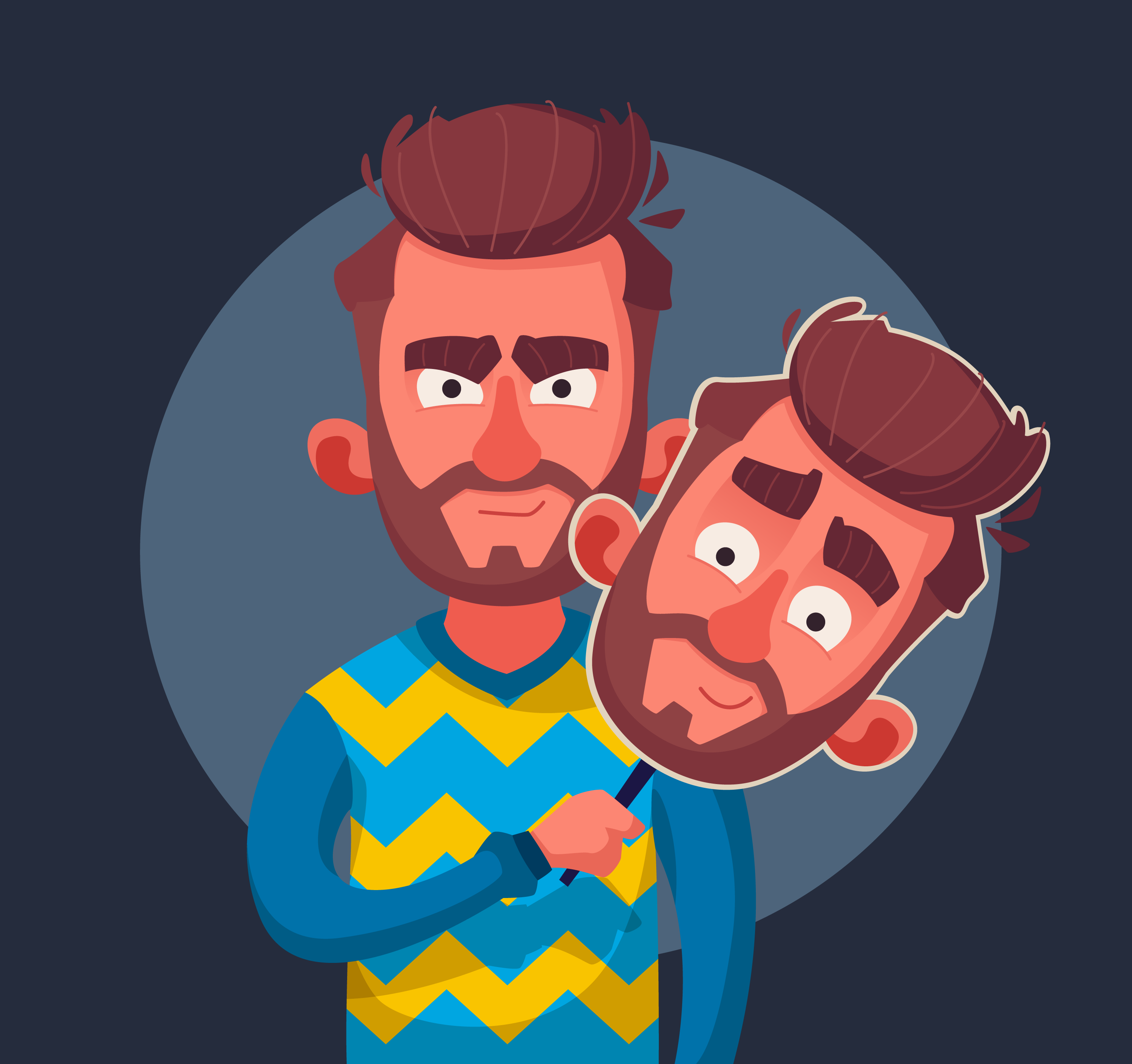
That mask comes at a cost. Suppressed emotion doesn't disappear. It often manifests as:
- Anger or irritability
- Substance use
- Withdrawal from relationships
- Physical symptoms (headaches, fatigue, insomnia)
- Risk-taking behavior
Why Traditional Therapy Feels Hard
Therapy requires walking into a room and saying, "I'm not okay." For many men, that feels like the opposite of what they've been taught their whole lives. The clinical setting—formal, face-to-face, with a stranger—can feel like too high a bar.
App-based support offers something different:
- Lower barrier. It's private. You can engage when you're ready, in your own space.
- No performance. No need to "show up" for an appointment. You can pause, come back, or just browse.
- No stigma in the room. You're not sitting across from someone you have to explain yourself to.
What heldd Offers
heldd is a suicide prevention app designed for when things feel heavy—whether that's you or someone you love. Grounding tools, hope-building exercises, and a safe space. No appointment. No waiting room. No judgment.
For men who've been told their whole lives to hold it in, heldd offers a lower entry point—a place to start before (or alongside) therapy, if that ever feels right.
If you or someone you love could use that kind of support, heldd is here.
Join the waitlistIf you're in crisis, please reach out: 988 Suicide & Crisis Lifeline (US) — call or text 988.