The Algorithm Problem
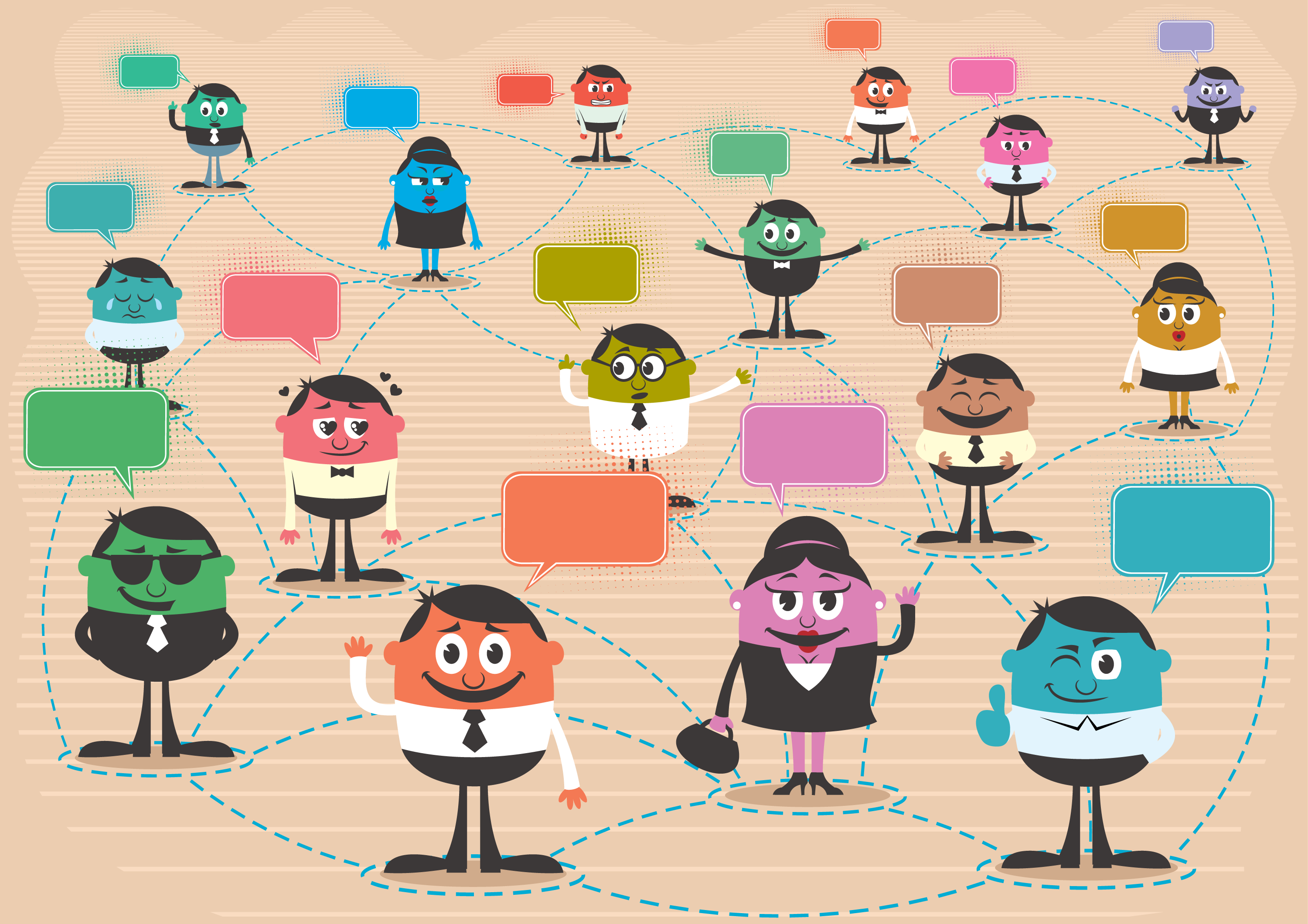
Social platforms are built on algorithms that optimize for time spent, clicks, and shares. They show you what keeps you scrolling—which often means content that triggers strong emotions: outrage, envy, fear, or FOMO.
When you're already struggling, that environment can:
- Amplify isolation. You see curated highlights of other people's lives and assume you're the only one who feels this way.
- Create echo chambers. If you engage with dark content, the algorithm may serve you more of it.
- Offer no real support. A DM to a friend on X or Instagram can help—but it's buried in notifications, mixed with everything else, and carries no structure for what to say or how to follow up.
The DM Trap
"Just reach out" is good advice. But where matters. Sending a vulnerable message into a generic inbox—alongside memes, group chats, and promotional emails—doesn't feel safe. And when you're in crisis, the last thing you need is another barrier.
Traditional social platforms also lack:
- Privacy. Your mental health conversation sits next to your public profile, your photos, your professional network.
- Intent. The space isn't designed for support. It's designed for broadcasting and casual chat.
- Resources. There's no built-in grounding, no crisis line, no structure for when things get heavy.
What a Dedicated Space Changes
A mental health app like heldd is different by design. It's not a feed. It's not a performance. It's a curated safety net—grounding tools, hope-building exercises, and a private place to breathe when the world feels too loud.

Here's what that means in practice:
| Social media | heldd |
|---|---|
| Algorithm-driven feed | Intentional, supportive content |
| Public or semi-public | Private, yours alone |
| No structure for crisis | Grounding tools, crisis resources |
| Comparison and performance | No likes, no followers, no audience |
Why This Matters for You (or Someone You Love)
If you've ever hesitated to open up on a social platform—or if you've watched someone you care about scroll endlessly when they needed something more—you understand the gap. heldd exists to fill it: a dedicated space for when things feel heavy, available when you need it, designed for support rather than engagement.
If you or someone you love could use that kind of support, heldd is here.
Join the waitlistIf you're in crisis, please reach out: 988 Suicide & Crisis Lifeline (US) — call or text 988.