The Promise: Earlier Detection
Mental health crises rarely appear out of nowhere. There are usually signals—changes in language, behavior, or engagement—that precede a crisis. The challenge is that these signals are often subtle, spread across time, and easy to overlook when you're the one experiencing them.
AI can help by:
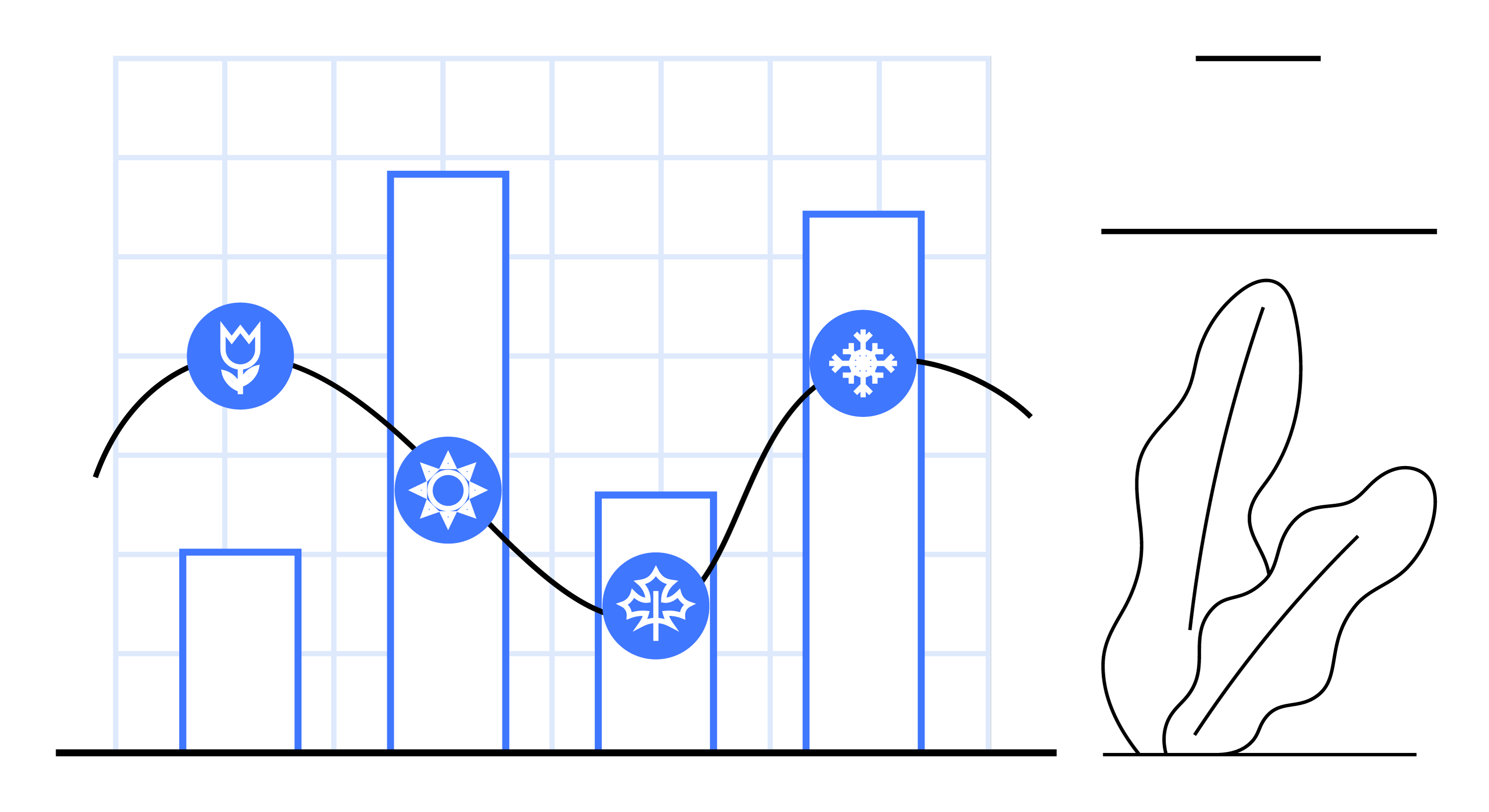
- Pattern recognition. Identifying shifts in how someone expresses themselves over time—word choice, tone, frequency of certain themes.
- Anomaly detection. Flagging when someone's behavior deviates from their own baseline (e.g., sudden withdrawal, changes in sleep or activity patterns).
- Natural language processing (NLP). Analyzing text for indicators of distress, while respecting privacy and avoiding simplistic "sentiment scores."
The goal isn't to diagnose or predict with certainty. It's to create moments of intervention—a gentle check-in, a resource offered at the right time—before someone feels completely alone.
The Ethical Imperative
Technology without ethics is dangerous. Especially in mental health. Here's what responsible AI in this space requires:
1. Privacy first
- Data should be minimized. We don't need to know everything; we need to know enough to offer support.
- Encryption, anonymization, and clear consent are baseline—not optional.
2. No surveillance
- AI should support the user, not surveil them. The goal is empowerment, not control.
- Users should understand what data is used, how, and for what purpose.
3. Human in the loop
- AI can suggest; humans decide. No automated intervention that could escalate or misread a situation.
- Crisis resources (988, etc.) should always be primary—AI augments, never replaces.
4. Transparency
- Users deserve to know how the technology works. "Black box" algorithms in mental health are unacceptable.
How heldd Approaches This
heldd is built with these principles in mind. We use technology to facilitate support—grounding tools, hope-building exercises, and a safe space—not to surveil or replace human connection. If AI is used to detect patterns, it's done with clear consent, ethical guardrails, and the user's wellbeing at the center.
If you or someone you love could use that kind of support, heldd is here.
Join the waitlistIf you're in crisis, please reach out: 988 Suicide & Crisis Lifeline (US) — call or text 988.