Myth 1: "Talking about suicide makes it more likely."
Wrong. Research consistently shows that asking about suicide does not increase the risk. In fact, it can decrease it. Asking gives someone permission to talk about their pain, reduces isolation, and opens the door to help.
What to do: If you're worried about someone, ask directly: "Are you thinking about suicide?" It's not putting the idea in their head—it's meeting them where they are.
Myth 2: "People who talk about it don't actually do it."
Wrong. Many people who die by suicide have communicated their intent—verbally or through behavior—before the act. Dismissing talk of suicide as "attention-seeking" or "dramatic" is dangerous.
What to do: Take any mention of suicide seriously. Connect them with professional help and crisis resources (988, Crisis Text Line).
Myth 3: "Suicide is selfish."
Wrong. This myth adds shame to people who are already struggling. Suicide is not a choice made from a clear mind—it's often the result of unbearable pain and a distorted belief that others would be better off without them.
What to do: Respond with compassion, not judgment. The goal is to reduce pain and increase connection, not to add guilt.
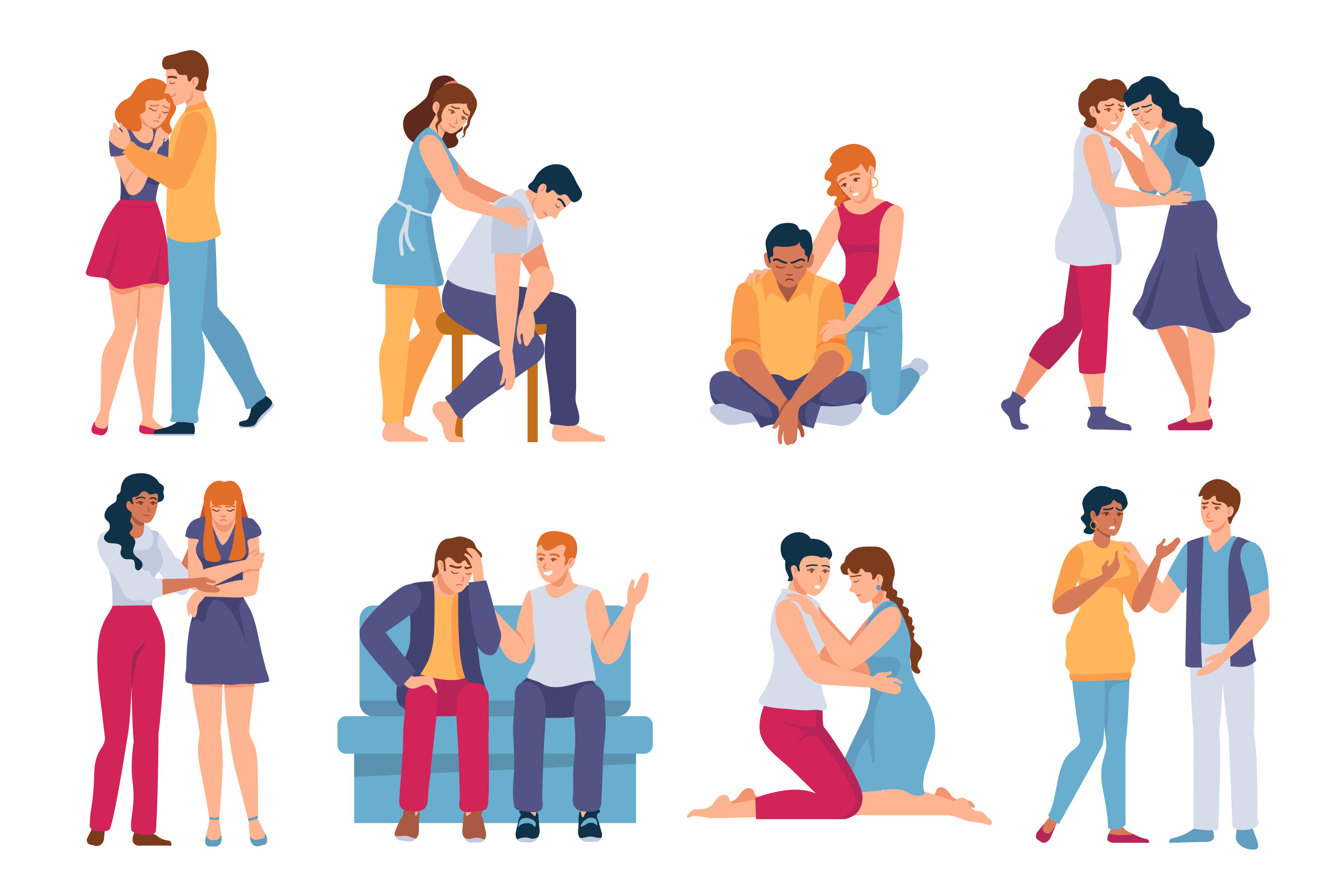
Myth 4: "Only people with a diagnosed mental illness are at risk."
Wrong. While mental illness is a risk factor, not everyone who attempts suicide has a formal diagnosis. Life events—loss, trauma, chronic stress, isolation—can push anyone into crisis. And many people who are at risk never seek mental health care.
What to do: Don't assume someone is "fine" because they haven't been diagnosed. Check in. Listen. Offer resources.
Myth 5: "There's nothing I can do."
Wrong. You don't need to be a therapist to make a difference. Listening, asking the hard questions, and connecting someone with professional help can save lives. heldd is a suicide prevention app that provides grounding tools and a safe space—something you can offer to a friend or use yourself.
What to do: Learn the basics. Offer heldd. Share 988. Be present.
If you or someone you love could use that kind of support, heldd is here.
Join the waitlistIf you're in crisis, please reach out: 988 Suicide & Crisis Lifeline (US) — call or text 988.